

Cajun Vs. Creole: Unraveling Louisiana’s Culinary Traditions
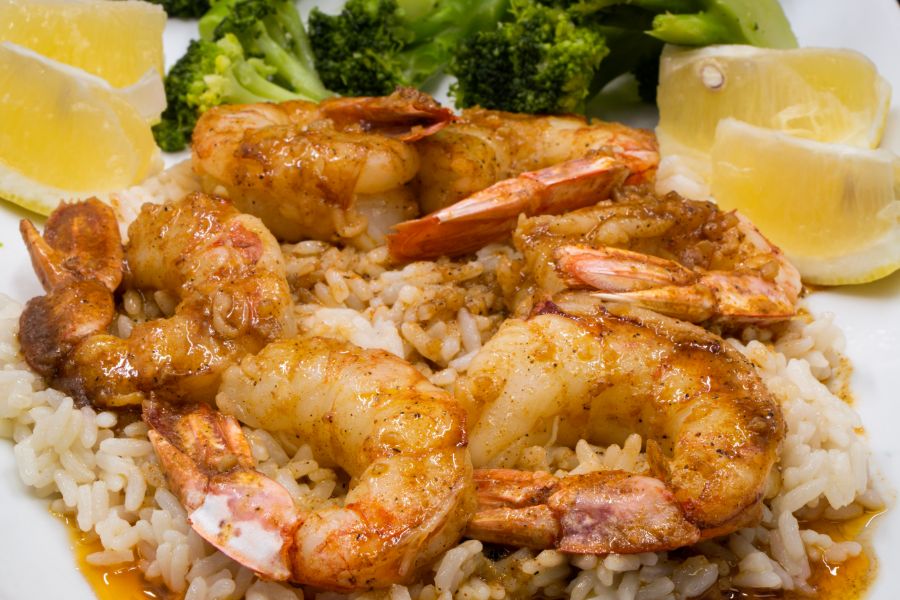
Bite into the rich tapestry of Louisiana’s culinary traditions as you explore the unique flavors of Cajun and Creole cuisine. Cajun cooking was born from Acadian French settlers combining local resources with Native American and African-American influences for hearty, robust dishes. Creole cuisine, meanwhile, fuses French, Spanish, and African culinary influences born from New Orleans’s urban sophistication. Key ingredients differ, culminating in bold, rustic Cajun dishes or elaborate, spice-filled Creole meals. Dive further, and you’ll uncover how regional variations, historical practices, and modern influences shape the culinary narrations of these two intertwined yet uniquely distinct cuisines.
Origins of Cajun Cuisine
Step back in time to explore the roots of Cajun cuisine, a culinary tradition born from the resourcefulness and resilience of the Acadian French settlers. Imagine these French colonists, deported in the mid-18th century, discovering a new home in southern Louisiana after the French and Indian War. Here, they laid the groundwork for what we now know as Cajun cuisine.
The term “Cajun” itself is a nod to their roots, derived from “les Acadiens.” it’s a reflection of the descendants who adapted their cooking practices to the local environment and available resources. This wasn’t mere survival; it was a culinary evolution, a melding of cultural influences. They didn’t just adapt; they embraced interactions with Native American and African-American cultures, incorporating their ingredients and techniques into their food traditions.
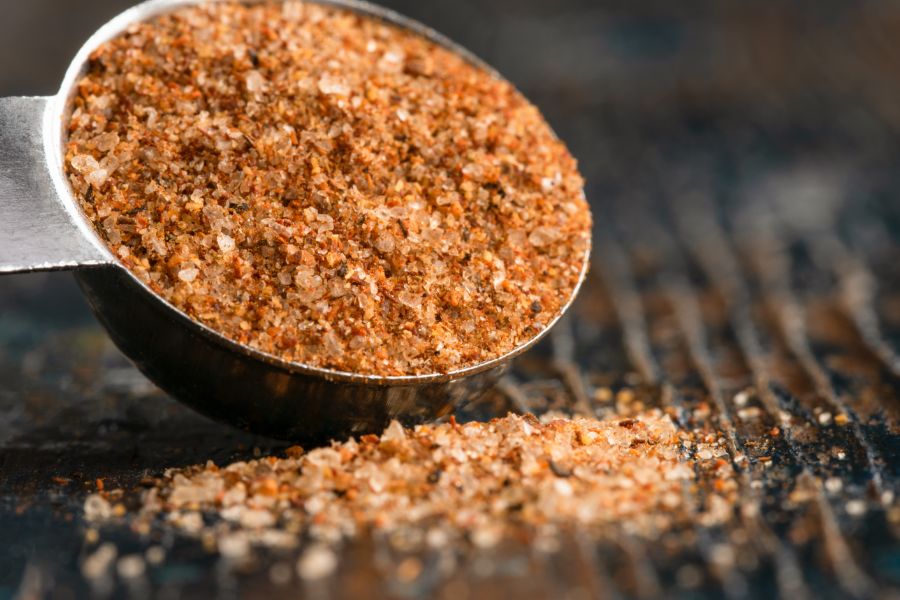
Take gumbo, a classic Cajun dish. The name is derived from West African terms, reflecting the rich tapestry of Louisiana’s history. The economic necessity of rural life sparked a resourceful approach, using hunting, foraging, and agriculture to create hearty, simple meals. These dishes, born from necessity and resilience, persist over generations, a reflection of the enduring spirit of the Acadian French settlers.
Understanding Creole Culinary Heritage
Diving into the vibrant world of Creole culinary heritage, you’ll find a rich fusion of primarily French, Spanish, and African influences. Originating from the urban melting pot of New Orleans, Creole cuisine is a symbol of cultural identity, reflecting the city’s diverse communities. Creole cuisine is known for its extensive use of various spices and ingredients, setting it apart from the spicier, meat-centered Cajun dishes.
You’ll often find tomatoes and seafood playing starring roles, reflecting the availability of local resources. When it comes to creating a roux, Creole cooking usually involves butter and flour, offering a distinct flavor profile compared to Cajun’s oil and flour combo. Historically tied to affluent households, Creole cuisine was often prepared by enslaved cooks, infusing it with a sense of culinary refinement.

This cultural influence is evident in signature dishes like Creole jambalaya and gumbo, which showcase the region’s culinary heritage. These dishes are more than just food; they’re a reflection of New Orleans’ rich history and diverse influences, offering you a taste of Louisiana’s vibrant Creole culture.
Key Ingredients in Cajun and Creole Dishes
As we explore the colorful palette of Louisiana’s culinary landscape further, let’s focus on the key ingredients that set Cajun and Creole dishes apart. Cajun food, known for its rustic, hearty nature, primarily features the “holy trinity” of bell pepper, onion, and celery. It also includes robust ingredients like andouille sausage, crawfish, and boudin. Importantly, Cajun cuisine is famed for bolder, spicier flavors, with cayenne pepper and thyme often taking center stage.
On the other hand, Creole cuisine, rooted in urban sophistication, boasts a wider variety of spices and ingredients. You’ll find more diverse seafood options like shrimp and crab and a frequent use of tomatoes. Its seasoning is more complex, reflecting its French, Spanish, and African influences.

Both cuisines use a roux, a key ingredient, but they differ in preparation. In Cajun dishes, the roux is usually darker and nuttier, made with oil. Meanwhile, Creole roux tends to be lighter and more delicate, typically prepared with butter. These subtle yet significant differences truly define the unique character of both Cajun and Creole dishes.
Cooking Techniques and Differences

Imagine yourself in a bustling Louisiana kitchen, where the air is thick with the tantalizing aromas of Cajun and Creole dishes simmering on the stove. As you step closer, you notice the distinct cooking techniques that differentiate these two prized cuisines. Cajun cuisine leans towards rustic, one-pot methods—think deep frying, barbecuing, and smothering.
A darker roux, made from flour and fat, thickens the dishes, giving them a hearty and robust flavor. The holy trinity of Cajun cooking—onions, bell peppers, and celery—forms the backbone of many dishes, providing a flavorful base that’s both simple and effective. On the other hand, Creole cuisine embraces a more intricate approach. The preparation often includes a wider variety of ingredients with a lighter roux.
Fresh seafood and vegetables, available thanks to urban markets, shine in Creole dishes. Tomatoes and a broader range of spices reflect the cuisine’s urban origins and diverse influences. Whether you’re stirring a pot of spicy Cajun gumbo or a pan of Creole jambalaya, understanding the cooking techniques and differences of these cuisines will surely spice up your culinary journey.
Cajun and Creole: Regional Variations
If you venture beyond the boundaries of a Louisiana kitchen and into the wider regional areas of the state, you’ll find fascinating variations in both Cajun and Creole cuisines. Cajun dishes, born in rural areas, boast bold, hearty flavors using local ingredients. Depending on whether you’re in the upper prairie or lower Bayou regions, you’ll encounter smoked meats and boudin blanc or a focus on seafood and salt-based seasonings.

Creole cuisine, hailing from urban New Orleans, offers a blend of cultural influences and a wider variety of spices and ingredients, including tomatoes. Notice the regional variations in signature dishes like jambalaya. Cajun jambalaya typically excludes tomatoes, while the Creole version includes them alongside chicken and seafood.
Gumbo further highlights these differences. Cajun gumbo avoids tomatoes, focusing on a rich, flavorful roux. Creole gumbo includes tomatoes, often resulting in a lighter consistency. These regional variations reveal much about Louisiana’s history, with Cajun dishes embodying the resourcefulness of Acadian settlers and Creole cuisine reflecting the diverse heritage of New Orleans. A journey through these regions provides a delicious exploration of Louisiana’s culinary traditions.
Significance of Food in Cultural Identity
Food isn’t just about sustenance in the Cajun and Creole communities of Louisiana; it’s a vital thread in the fabric of their cultural identity. These traditional dishes, like gumbo and jambalaya, aren’t just meals; they’re expressions of cultural pride and continuity. They mirror the merging of diverse ethnic influences that define Louisiana’s unique culinary landscape.
The Cajun culture and Creole cuisine are rich in the concept of “lagniappe.” This term, meaning “a little extra,” embodies the generosity and care inherent in these communities’ cooking practices. It’s about more than just food; it’s about fostering connections, building relationships, and promoting communal bonds.

Historical practices, like the preparation of red beans and rice on laundry day, showcase how culinary customs can encapsulate cultural narratives and adaptations over time. This isn’t just a tradition; it’s a reflection of the resilience and creativity of these communities. Food, in its essence, serves as a powerful medium of expressing identity and preserving the cultural heritage of these vibrant Louisiana communities. Through their cuisine, the Cajun and Creole people continue to weave an enduring narrative of their diverse and rich cultural identity.
Preservation of Culinary Traditions
Building on the shared significance of food in Cajun and Creole cultural identities, their culinary traditions form an integral part of their unique heritage. It’s essential to appreciate the preservation of these traditions, which define the rich tapestry of Louisiana cuisine. The passing down of family recipes, for instance, is a heartfelt practice that keeps the culinary fire alive.
Institutions like the Southern Food and Beverage Museum (SoFAB) play a pivotal role in this preservation. They do more than merely showcase the history and significance of Cajun and Creole cuisine. They serve as cultural custodians, ensuring these traditions don’t fade in the face of modernity.

Let’s touch on three fundamental aspects:
- Education: Culinary schools and programs are crucial in teaching the nuances of traditional Cajun and Creole cooking techniques, and creating informed, respectful chefs.
- Community Engagement: Food festivals and cooking competitions celebrate these culinary practices, fostering a sense of pride and continuity.
- Economic Opportunities: The resurgence in interest in authentic Louisiana cuisine has created a growing market for traditional ingredients and dishes.
Preserving these culinary traditions isn’t just about food; it’s about safeguarding a slice of Louisiana’s soul.
Modern Influences and Future of Louisiana Cuisine
Steeped in rich history yet ever-evolving, modern Louisiana cuisine is a delightful tapestry of traditional elements and global influences. As you savor the rich gumbo or spicy jambalaya, you’re not just enjoying a meal but participating in a storied culinary tradition. Yet, don’t be fooled into thinking this cuisine is stuck in the past.
It’s continually shaped by modern influences, with chefs incorporating global flavors into classic Cajun and Creole dishes. The farm-to-table movement has played a significant role in this culinary evolution. Today, local farmers are key contributors to the flavor of Louisiana, with their fresh, sustainably sourced ingredients breathing new life into time-honored recipes.
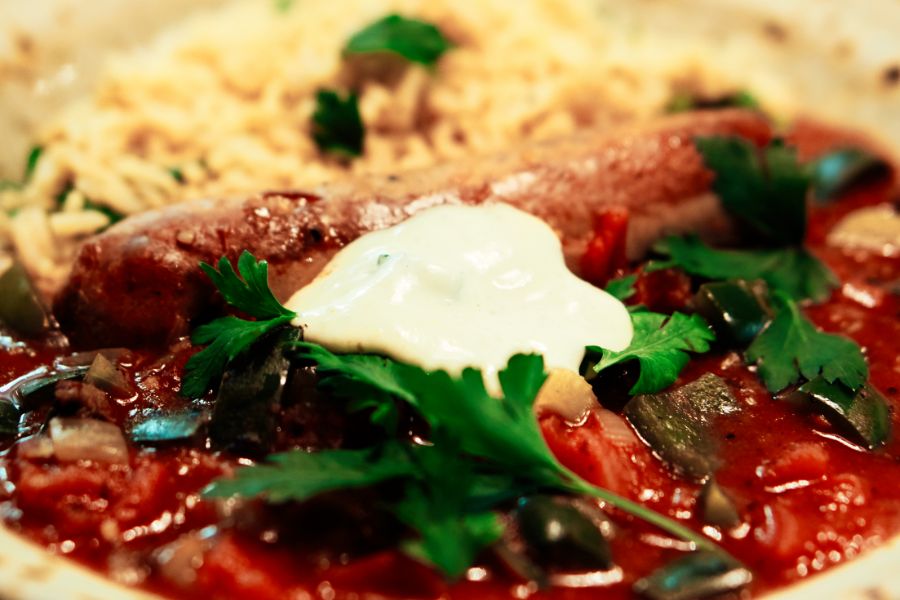
Social media, too, has its part to play. Platforms like Instagram are showcasing the visual appeal of Louisiana dishes, encouraging culinary creativity and experimentation. And let’s not forget the food festivals, like the New Orleans Jazz & Heritage Festival, where culinary traditions come alive amid the rhythms of jazz. Here, you can see the future of Louisiana cuisine, where emerging chefs blend modern techniques with classic recipes, creating a gastronomic experience that both respects the past and embraces the future.